01
Chief executives and senior C-suite leaders
CEOs, MDs, CFOs, CROs, CTOs and CDOs from Nigerian and West African commercial banks making decisions that will define their institutions through 2030.

#FinanceWestAfrica2026
Delegates
Speakers
Organisations



Finance West Africa 2026 is the most important senior banking conversation in West Africa this year — and the first of its kind to return to Lagos in six years. It is where the bank leaders, regulators, fintech innovators and infrastructure players defining the region's financial future come together in one room, in one focused day, to address the questions that matter most. Not to present. Not to network. To decide.
Nigeria's banks are being asked to do more than grow. They are raising capital under the most significant recapitalisation in nearly two decades. They are competing for customers whose financial lives are entirely mobile, instant and platform-led. They are being held accountable for fraud, cybersecurity and AI risk at a pace regulation has not yet caught up with. Cross-border payments remain fragmented. Trade finance remains inaccessible for most SMEs. And across West Africa, over 133 million adults remain outside the formal financial system entirely.

Recapitalisation and what it means for bank strategy through 2030.

Turning digital access into trusted, profitable customer relationships.

Who will control West Africa’s next payment rails.

Can AI make banking safer not just faster

Cross-border payments and trade finance.

Fraud, deepfakes and the erosion of digital trust.

West African banking in 2026 is no longer a discussion about potential. It is a live contest over capital, infrastructure, trust and access — and the outcomes will determine who banks the next generation of customers across the region.

Nigeria's banks are raising capital under the most significant regulatory restructuring in nearly two decades. Consolidation, new entrants and shifting competitive dynamics are forcing institutions to rethink their strategy faster than most anticipated.

Fintechs, telcos, regional switches and global platforms are all competing for control of the rails. Banks that do not move quickly risk becoming settlement infrastructure for other people's customer relationships.

AI is already inside credit decisions, KYC, fraud detection and customer service at Nigeria's largest banks. The governance frameworks, data standards and regulatory accountability structures needed to manage that are still being built.

Account takeover, synthetic identity, social engineering and deepfake-enabled fraud are growing faster than the detection capabilities most banks currently have in place. The cost is not just financial — it is the erosion of customer trust in digital banking entirely.
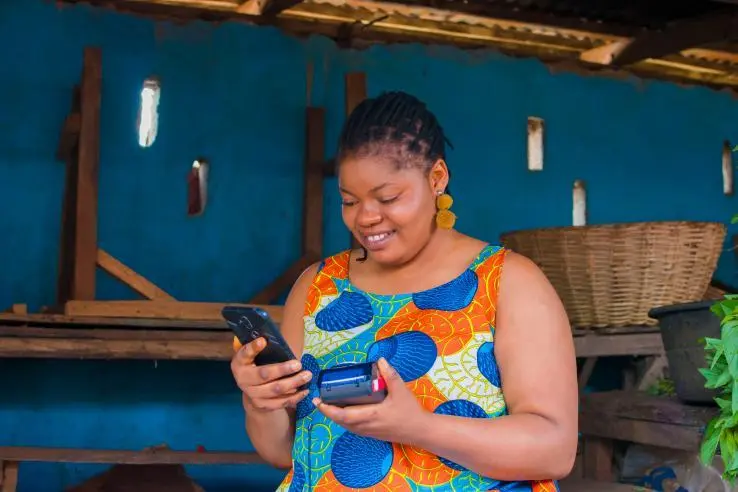
Over 133 million adults in Nigeria remain financially underserved. The technology, the infrastructure and the regulatory intent to change that all exist. What is missing is coordinated execution between banks, fintechs, regulators and development finance institutions.
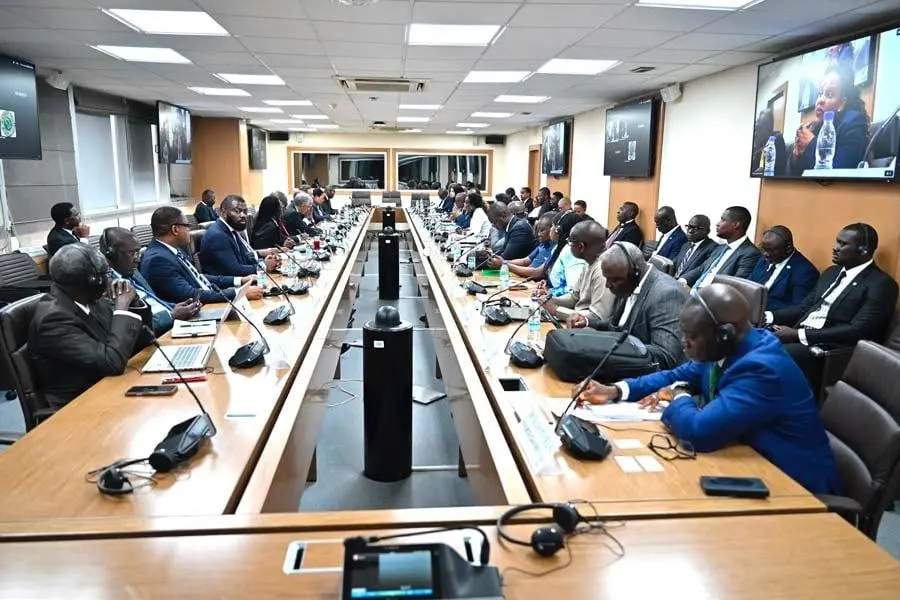
The payment rails, credit infrastructure and regulatory frameworks being built in Nigeria today will become the default for the wider region. Countries across West Africa need to be part of shaping them — not adopting them after the fact.
Capital requirements, financial inclusion, mobile-led growth, competitive dynamics and what the recapitalisation cycle means for Nigerian banking through 2030.
Payment infrastructure, trade finance, cross-border flows, interoperability and who will control the next generation of West African financial rails.
Fraud, cybersecurity, data protection, customer confidence and what digital trust actually requires from the institutions millions of people now depend on.
AI adoption, operational efficiency, responsible transformation and whether technology is making West African banking safer — or just faster.

West African banking in 2026 is no longer a discussion about potential. It is a live contest over capital, infrastructure, trust and access, and the outcomes will determine who banks the next generation of customers across the region.

Nigeria's banks are raising capital under the most significant regulatory restructuring in nearly two decades. Consolidation, new entrants and shifting competitive dynamics are forcing institutions to rethink strategy faster than anticipated.

Fintechs, telcos, regional switches and global platforms are all competing for control of the rails. Banks that do not move quickly risk becoming settlement infrastructure for other people's customer relationships.

AI is already influencing credit decisions, KYC, fraud detection and customer service. However, governance frameworks, data standards and regulatory accountability structures are still catching up.

Account takeover, synthetic identity, social engineering and deepfake-enabled fraud are growing faster than detection capabilities. The cost extends beyond financial losses to the erosion of customer trust.

Over 133 million adults in Nigeria remain financially underserved. Technology, infrastructure and regulatory intent exist, but coordinated execution between stakeholders remains the missing link.
CEOs, MDs, CFOs, CROs, CTOs and CDOs from Nigerian and West African commercial banks making decisions that will define their institutions through 2030.
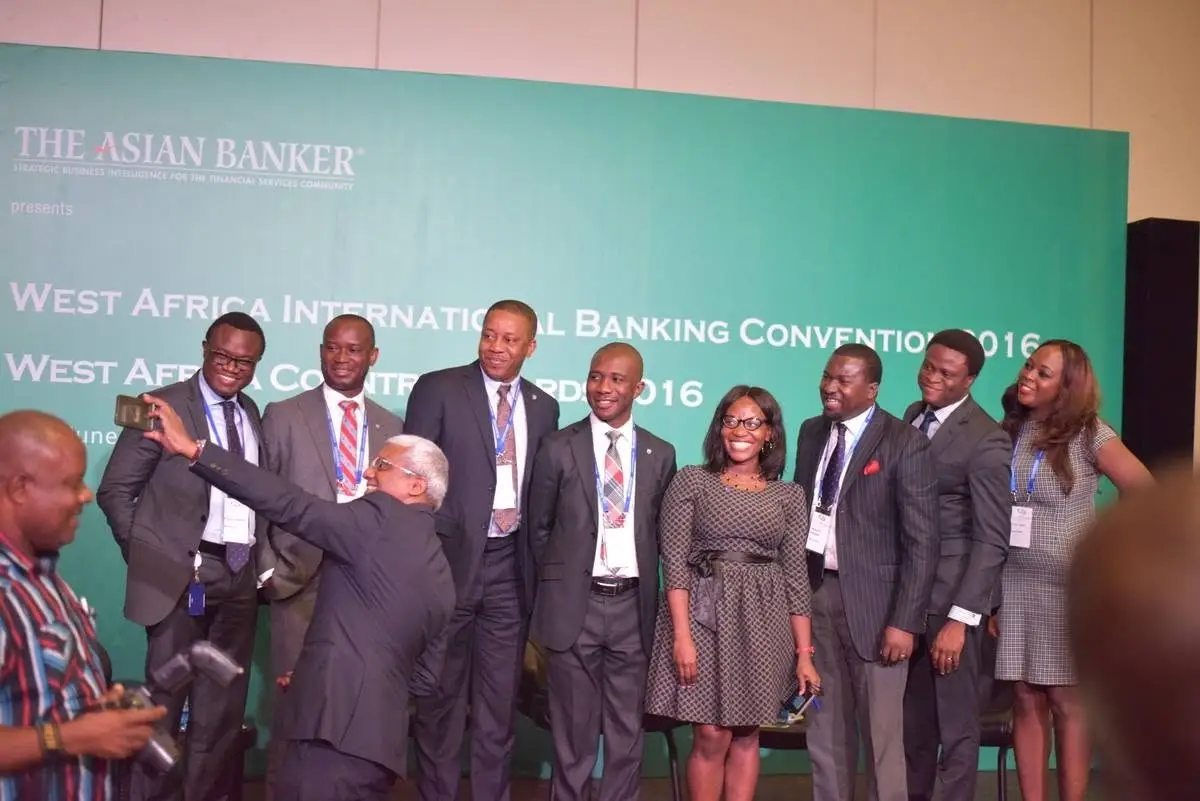

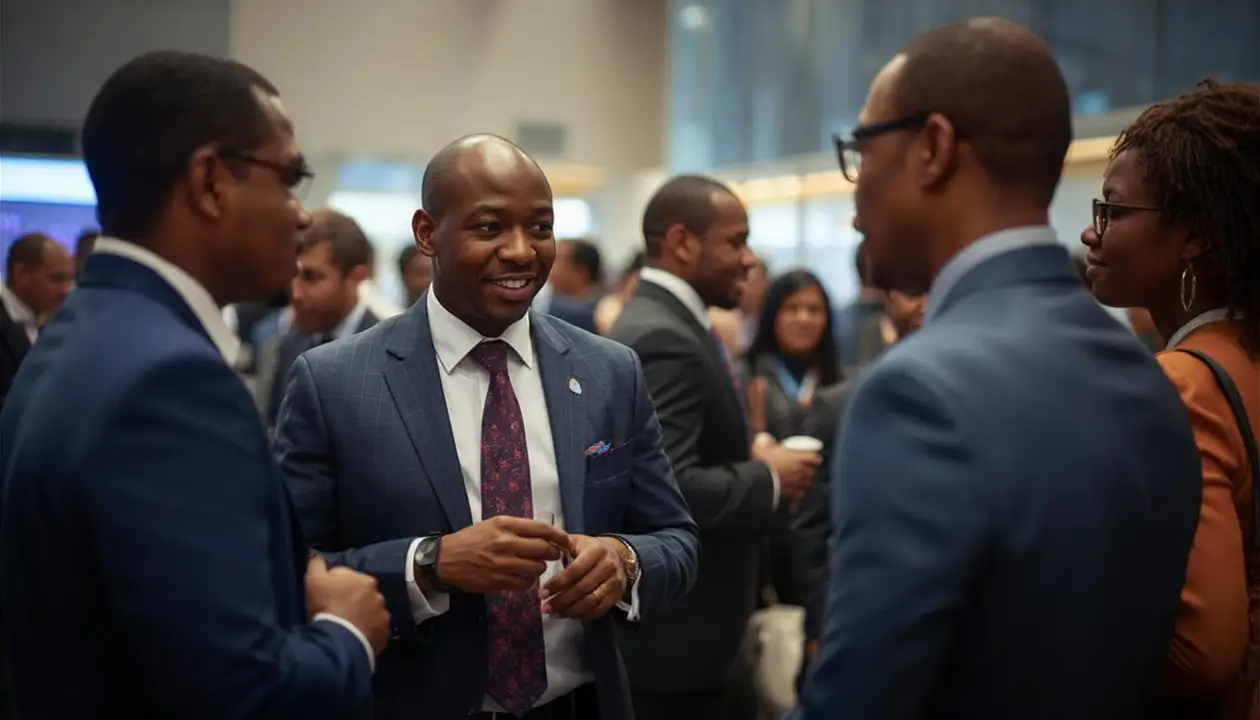
Senior officials from the Central Bank of Nigeria and equivalent regulatory bodies across West Africa shaping policy, capital and compliance frameworks.
Founders and senior executives from digital-first banks, mobile money operators, payment processors and cross-border payments platforms across the region.

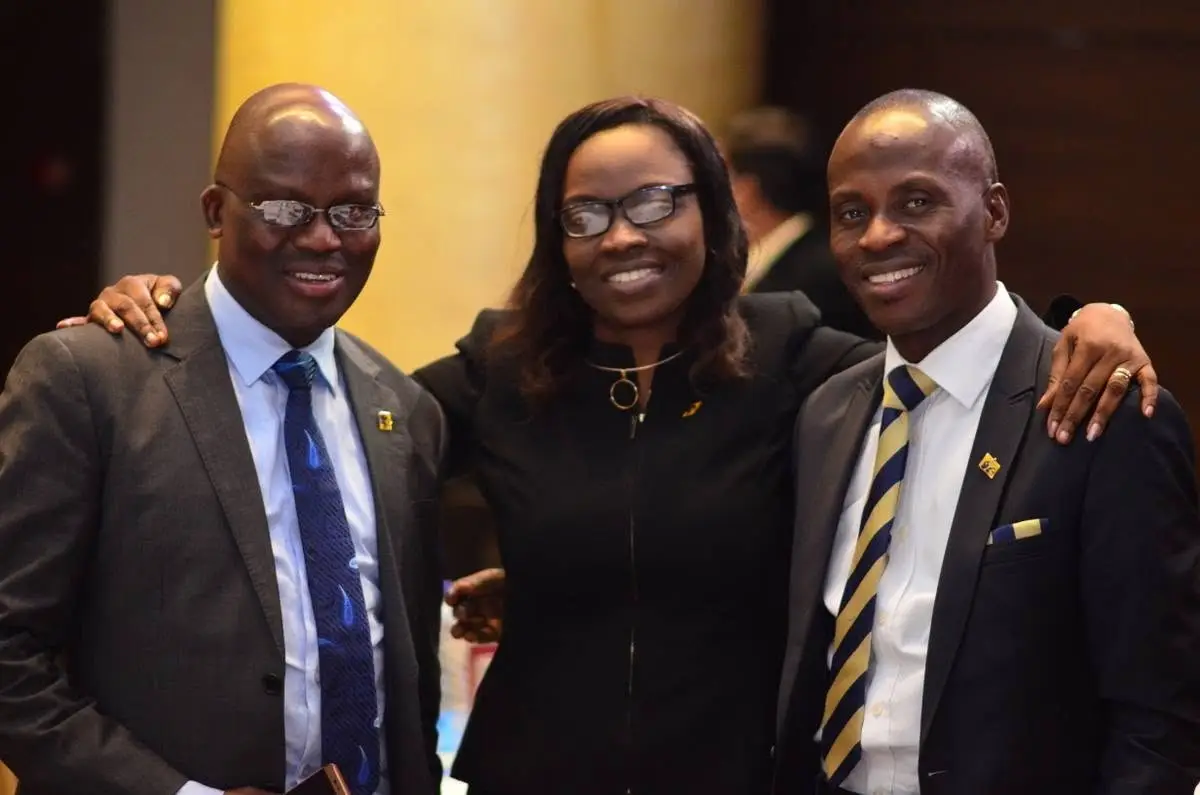


Leaders from core banking, cloud, cybersecurity, AI and data organisations whose platforms sit at the centre of how West African banks operate and compete.
Finance West Africa 2026 is a senior regional conference bringing together the people shaping the future of banking across West Africa. We are building the programme now and will be confirming speakers progressively as the agenda takes shape.
Interested in speaking?