Asia’s shifting growth corridors
How trade, investment and supply chains are being redirected by geopolitics, industrial policy and regional competition.
The Asian Banker Future of Finance Summit 2027 26–27 May | Hanoi, Vietnam
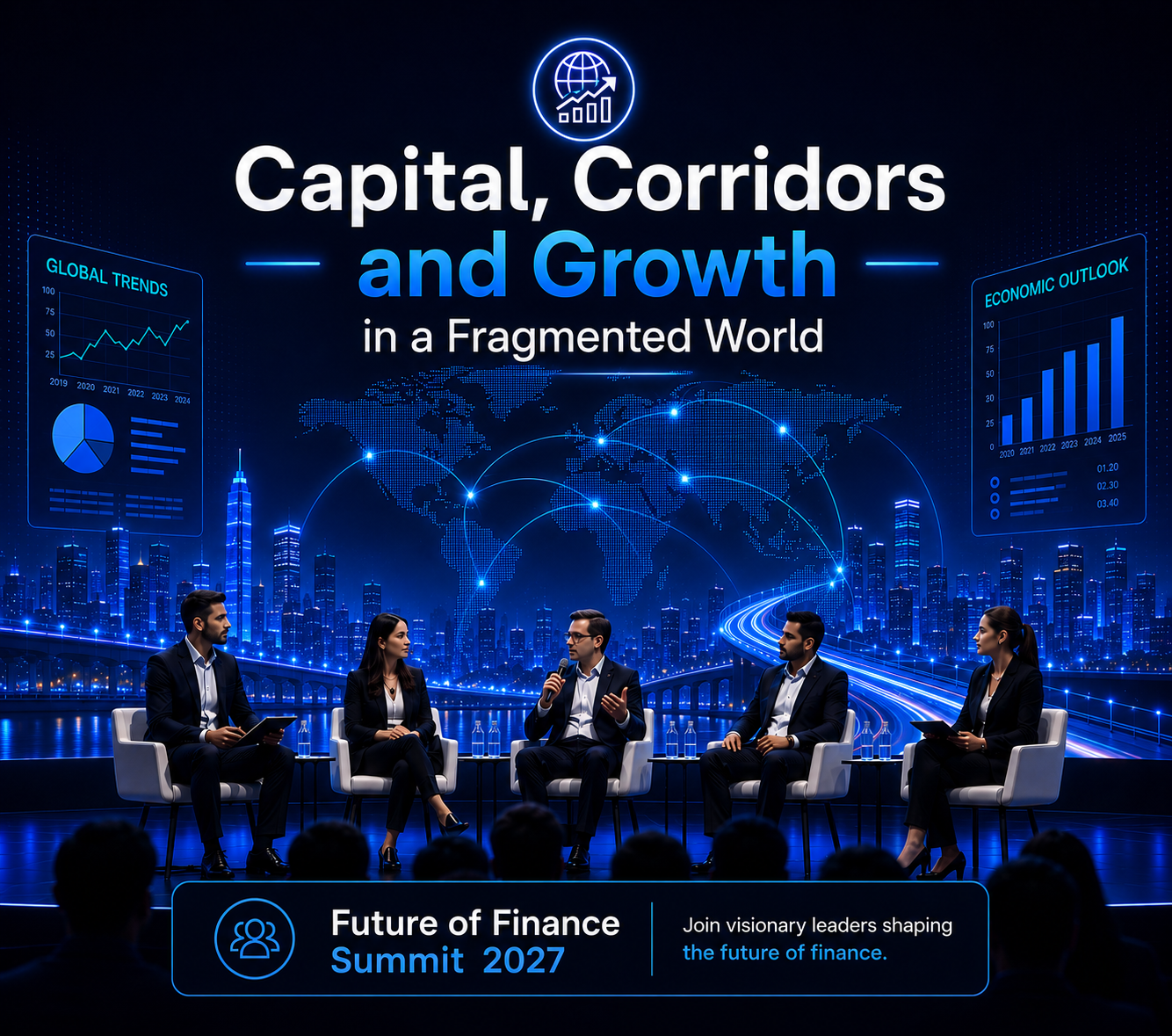
Asia’s growth and investment corridors are being redrawn by geopolitical competition, supply chain restructuring, the energy transition and digital infrastructure investment. The central question for investors, corporations, governments and financial institutions is no longer whether Asia offers long-term growth, but which markets and projects are investable, which financing and risk allocation structures can attract public and private capital, and who can execute amid tariffs, capital controls, currency volatility, technology restrictions and shifting industrial policies.
Beyond Borders at The Asian Banker Summit 2027 in Hanoi examines cross-border investment and regional expansion across ASEAN and the Indo-Pacific. The programme focuses on infrastructure and project finance, bankable projects, capital structures, regulatory and contractual frameworks, and strategies for managing geopolitical and cross-border risk. It asks how institutions can turn regional ambition into deployed capital and delivered growth.
The critical questions shaping Asia’s growth, investment, connectivity and cross-border expansion.
How trade, investment and supply chains are being redirected by geopolitics, industrial policy and regional competition.
What turns infrastructure, energy transition and digital projects from strategic ambition into investable opportunities.
How corporates, investors and governments are managing tariffs, currency volatility, regulatory fragmentation and political risk.
How DFIs, sovereign funds, institutional investors and financial institutions can work together to finance regional growth.
Where physical, financial and digital connectivity is advancing, where gaps remain, and what this means for competitiveness.
How project finance, structuring, local currency capability, advisory and risk mitigation can support cross-border expansion.
Beyond Borders convenes senior leaders making consequential decisions on cross-border growth, investment, infrastructure and capital deployment across Asia. The programme is designed for:
Leaders from ministries of finance, economic planning agencies, investment promotion bodies, local authorities and government-linked institutions shaping trade, investment and regional integration.
DFIs, multilateral agencies, export credit agencies and sovereign funds involved in infrastructure, blended finance and growth-market investment.
Leaders across energy, logistics, transport, digital infrastructure, industrial parks and special economic zones.
Infrastructure funds, private equity firms, pension funds, insurers and asset managers allocating capital to Asian growth markets.
CFOs, corporate treasurers, supply-chain, logistics, ports and transport executives managing regional expansion and value-chain relocation.
Leaders from project finance, corporate banking, structured finance, trade finance, country management and regional strategy teams supporting clients across Asian borders.
Advisory, legal and tax leaders involved in cross-border structuring, regulatory compliance and investment execution.
Technology and data infrastructure leaders supporting digital infrastructure, connectivity and the execution of cross-border investments.
Two days of dialogues, insight briefings and policy debate. Working agenda — topics and speakers subject to change.
Asia’s growth case remains compelling, but the terms on which it operates are being actively renegotiated. The question is no longer simply whether Asia will grow, but which corridors will attract capital, which economies will capture value, and which institutions can execute credibly across borders. This opening dialogue frames the strategic choices facing governments, investors, corporates and financial institutions in the next phase of regional growth.
Supply-chain restructuring is creating real investment flows into Southeast Asia, but the benefits are neither automatic nor evenly distributed. Winning manufacturing, logistics and supplier ecosystem investment requires infrastructure quality, regulatory reliability, workforce readiness, energy availability and financing capability. This session examines who is actually capturing the opportunity — and why execution capacity matters as much as geography.
ASEAN’s connectivity agenda has advanced across infrastructure, trade facilitation, financial integration and digital standards, but the gap between regional ambition and commercial execution remains significant. Investors and corporates need more than connectivity narratives; they need lower friction, clearer rules and investable corridors. This session examines where ASEAN integration is changing commercial outcomes and where execution gaps still hold the region back.
Asia’s infrastructure and growth investment gaps are often described as capital shortages. In many markets, the more precise challenge is a shortage of projects that are sufficiently prepared, properly structured and credibly governed to attract available capital. This session examines what bankability actually requires — and how the execution gap between strategic ambition and deployed investment can be closed.
Corporate expansion and institutional investment across Asia are being reshaped by supply-chain shifts, geopolitical risk, regulatory fragmentation and currency volatility. The challenge is not only identifying growth markets, but building structures that can survive complexity. This session examines the financial, strategic and operational choices that determine whether cross-border ambition becomes sustainable execution.
Asia’s energy transition requires major investment in clean power, grid modernisation, storage and industrial decarbonisation. The issue is not only the scale of capital required, but whether individual projects can become bankable in markets where policy risk, merchant exposure, offtake structures and domestic capital depth vary widely. This session examines who is deploying transition capital, under what conditions, and at what cost.
Digital infrastructure — data centres, compute capacity, subsea connectivity and AI-enabling assets — is becoming a major category of cross-border capital investment across Asia. Demand from AI adoption, cloud migration and data sovereignty policy is reshaping where capacity is built, who finances it and what constraints determine viability. This session examines the investment, energy and regulatory questions behind the new geography of digital infrastructure.
The closing plenary brings together delegates from all Summit tracks to draw out the key conclusions from the two-day event and identify the priorities that will shape the regional financial services agenda beyond 2027.
* Please note that this is a working agenda and topics and speakers are subject to change.
Be part of the conversation shaping the next architecture of money, liquidity and real-time finance. For programme details, speaking or partnership opportunities, contact our team.